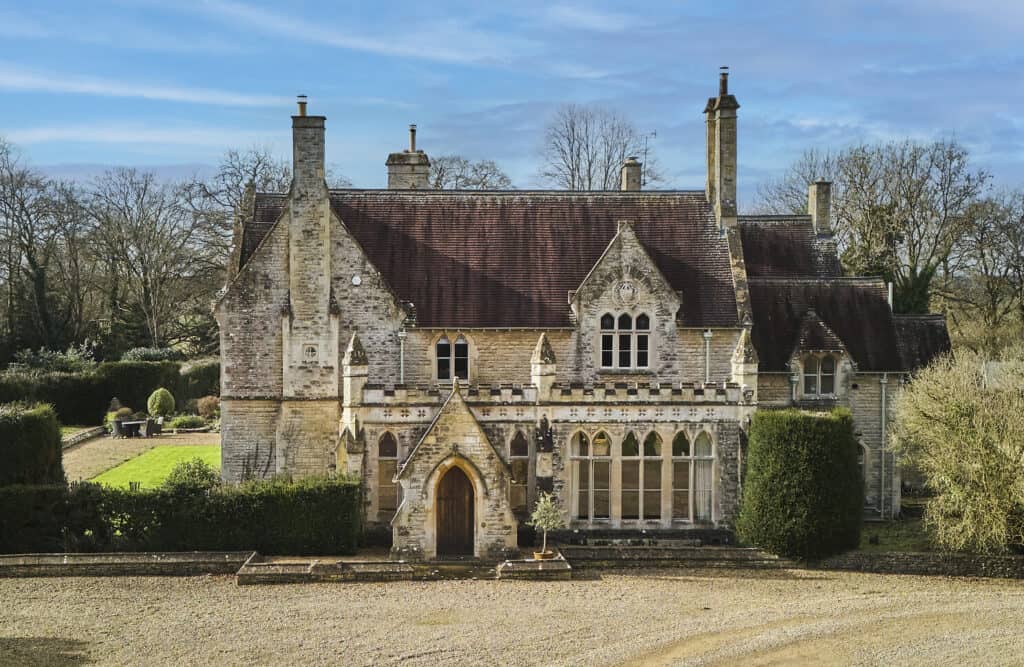
The Importance of Project Managing a Country House Renovation
Renovating a country house is often seen as a romantic undertaking—an opportunity to breathe new life into an old building, restore its character, and create a haven nestled in nature. Yet beneath the charm lies a complex process that demands rigorous planning, coordination, and oversight. Project management is not merely helpful in this context—it is essential. Without it, even the most well-intentioned renovation can spiral into a costly, time-consuming ordeal.

Unique Challenges of Country House Renovation
Country houses often present a distinct set of challenges compared to modern properties:
- Age and condition: Many country houses are centuries old, with structural and systems-related issues that only become apparent once work begins.
- Listed or heritage status: Renovations may require special permissions and adherence to strict conservation guidelines.
- Location constraints: Rural settings can pose logistical difficulties, from transporting materials to accessing skilled tradespeople.
- Unknown variables: Surprises—such as hidden damp, outdated wiring, or the discovery of historical features—are almost guaranteed.
These factors mean that managing a country house renovation without a structured approach is risky and likely to result in budget overruns, delays, and compromised quality.

The Role of Project Management
A dedicated project manager (PM)—whether a professional or a highly organized homeowner—plays a central role in ensuring that the renovation is delivered on time, within budget, and to a high standard. Here’s how:
1. Planning and Scope Definition
The project manager begins by defining the scope of work: what needs to be done, why, and by when. This stage involves assessing the building’s current condition, setting priorities (e.g., roof repairs before interior finishes), and identifying potential constraints. A clear scope prevents “project creep,” where unplanned additions derail progress.
2. Budgeting and Cost Control
Renovations can quickly become expensive. A project manager helps create a realistic budget, allowing for contingencies and tracking costs against projections. This includes sourcing competitive quotes, negotiating with contractors, and making strategic decisions about where to invest or cut back.
3. Scheduling and Coordination
A country house renovation involves multiple trades: builders, electricians, plumbers, roofers, conservation specialists, and more. Coordinating their schedules is critical. A PM ensures that work proceeds in the correct sequence, preventing delays caused by, for example, the plasterer arriving before structural reinforcements are complete.
4. Risk Management
By anticipating problems—such as delays in obtaining planning permission or unforeseen structural issues—a project manager can develop contingency plans. Their role includes monitoring risks and adapting the plan as needed.
5. Communication
The PM serves as the central point of contact for everyone involved, from architects to contractors to local authorities. Clear communication reduces misunderstandings, keeps stakeholders aligned, and ensures swift resolution of issues.
6. Quality Assurance
A country house renovation is an investment in legacy. A PM ensures that materials and workmanship meet the required standards, conducting site checks and sign-offs at each stage.
Renovating a country house is a deeply rewarding endeavour—but it is not without pitfalls. Effective project management transforms this complex challenge into a structured, strategic process. It safeguards your investment, protects the character of the building, and ensures that your vision becomes reality—on time, on budget, and with care. Whether you take on the task yourself or enlist a professional, embracing project management is the key to a successful country house renovation.