Britain Cannot Afford to Undervalue the Trades
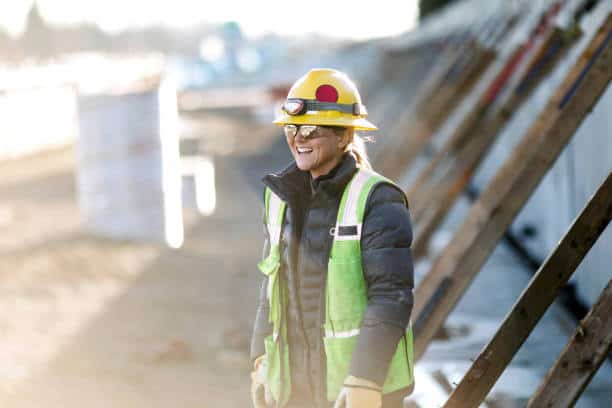
“Workers are turning against traditional white collar roles for secure employment – and more money.”
That is how the recent piece in The Telegraph by Megan Carnegie begins.
It reflects something many of us in construction have seen for years.
The more telling question is not why young people are reconsidering office careers. It is why the trades were ever framed as second best. University became the default measure of ambition. The professions carried status. The trades were positioned as the alternative.In residential construction, that hierarchy has never made sense.
At Manton Property, we manage complex renovations of listed and long-held family homes across the South of England. However detailed the drawings or thorough the planning strategy, the result depends on the people building it.
Workmanship sets the standard.
The challenge is structural. The workforce is ageing. Heritage skills are thinning. Expectations around quality and compliance continue to rise. At the same time, technology is reshaping many desk-based roles. The assumption that office work is automatically more secure no longer feels certain. Skilled trades are far harder to automate.
If we continue to treat vocational careers as secondary, we weaken the sector responsible for maintaining and improving Britain’s housing stock. So if capable young people are choosing secure, skilled work over uncertain graduate pathways, that should not surprise us.
We depend on good trades every single day in this industry. It would be wise to start treating them as such.